Home»Jobs and Opportunities»
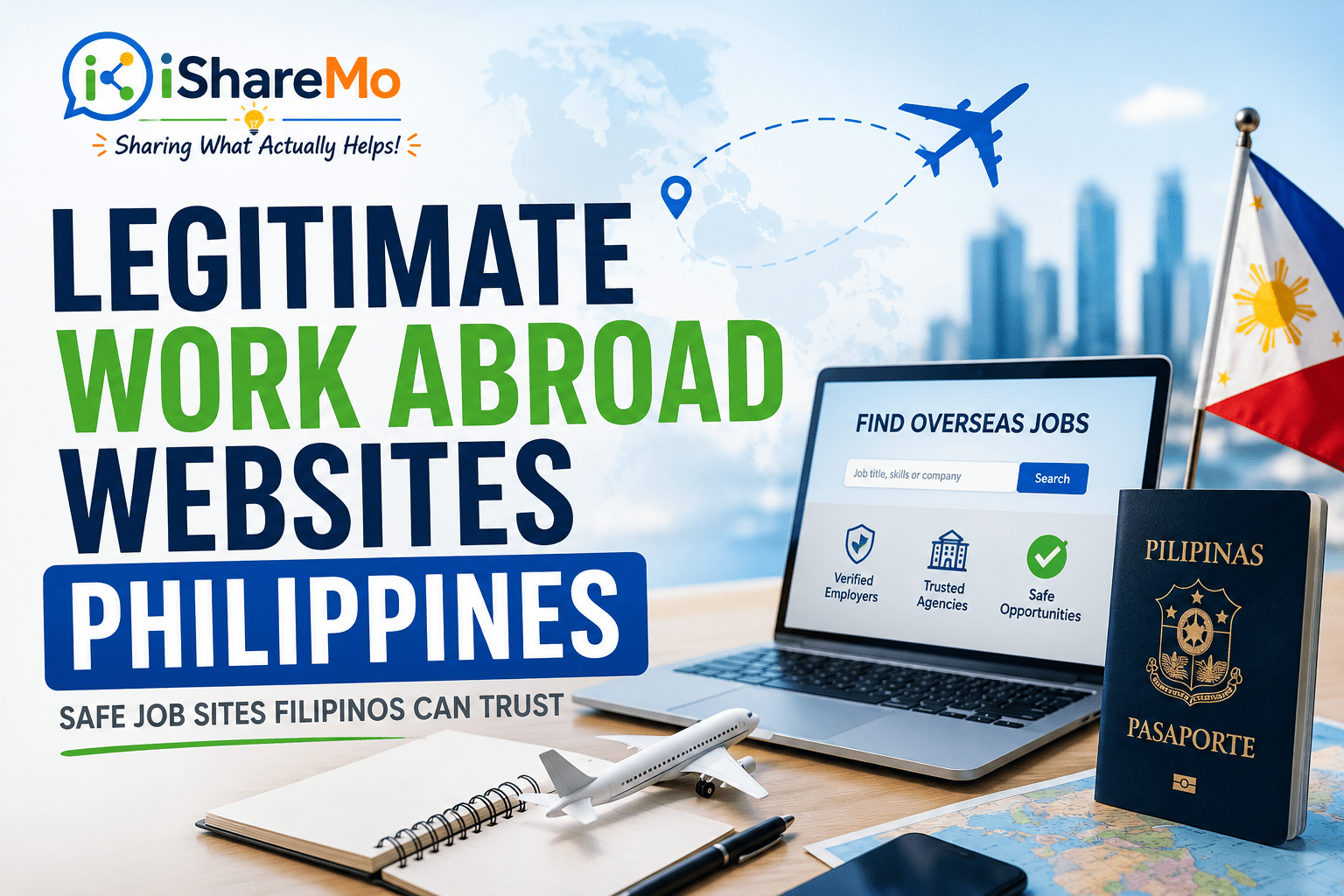
Legitimate Work Abroad Websites Philippines: Safe Job Sites Filipinos Can Trust
Finding legitimate work abroad websites job seekers can trust has become more important than ever. Many Filipinos dream of working overseas for better salaries and opportunities, but fake recruiters and scam agencies continue to target applicants online.
Because of this, many people struggle to identify which websites are actually safe and which ones should be avoided. Some applicants even lose money after paying illegal processing fees to unverified recruiters pretending to offer overseas jobs.
In this guide, you will learn about legitimate websites for work abroad applications, how to verify job opportunities, common warning signs of scams, and practical tips before applying for overseas jobs online.
Quick Summary
Legitimate work abroad websites can help Filipino job seekers find safer overseas opportunities while avoiding common recruitment scams online. This guide explains how to identify trusted job platforms, verify if agencies are legally licensed, and recognize warning signs that may indicate fake recruiters. You will also learn why proper verification matters before applying for overseas jobs and how careful research can protect applicants from illegal recruitment schemes. Choosing safer and verified job sources can improve your chances of finding legitimate work opportunities abroad.
Why Many Filipinos Fall for Fake Work Abroad Scams
Work abroad opportunities attract many Filipinos because overseas jobs often offer higher salaries compared to local employment. Unfortunately, scammers take advantage of this demand by posting fake job offers on social media, messaging apps, and unofficial websites.
Many fake recruiters create convincing advertisements using copied agency names, fake testimonials, and unrealistic salary offers. Some scammers even pretend to represent legitimate recruitment agencies to gain the trust of applicants.
One common mistake applicants make is rushing to pay fees without verifying if the recruiter or agency is officially licensed. Scammers usually pressure victims to send money immediately for “slot reservations,” processing fees, or medical requirements before any proper verification happens.
Understanding how these scams work is important because fake overseas job offers continue to increase online.
Why Using Legitimate Work Abroad Websites Matters
Legitimate work abroad websites provide safer ways for applicants to search for overseas opportunities because verified employers and agencies usually follow proper recruitment regulations.
Trusted websites also reduce the risk of identity theft, illegal recruitment, and fake job postings. Many legitimate platforms include employer verification systems, agency information, and official job details that help applicants identify safer opportunities.
Another advantage of legitimate websites is transparency. Real job listings normally provide clear information about:
Job descriptions
Salary expectations
Qualifications
Country destinations
Employer details
Fake recruiters often avoid giving complete information because their goal is usually collecting money from applicants quickly.
Using trusted job platforms cannot guarantee perfect safety, but it significantly lowers the chances of encountering recruitment scams.
DMW Verification Should Always Be Your First Step
Before applying for any overseas job, applicants should always verify if the agency is licensed by the Department of Migrant Workers (DMW), formerly known as POEA.
Many applicants assume that having a Facebook page or website automatically means an agency is legal, but this is not enough proof. Some scammers create professional-looking websites that appear legitimate even though they are completely fake.
The safest approach is checking agency information directly through official government verification systems. Licensed agencies should have valid registration details and active job orders approved by the government.
Applicants should also become suspicious when recruiters:
Refuse verification requests
Avoid office meetings
Communicate only through personal accounts
Demand large upfront payments immediately
These are common warning signs of illegal recruitment activities.
Legitimate Work Abroad Websites Philippines Applicants Can Explore
Several websites are commonly used by Filipinos searching for overseas employment opportunities. While applicants should still verify every opportunity carefully, these platforms are generally recognized and widely used for international job applications.
The official DMW job portal remains one of the safest options because it contains approved overseas job orders connected to licensed agencies. Applicants can use this platform to verify if overseas job openings are officially registered.
International job platforms like JobStreet, Indeed, and LinkedIn also contain overseas opportunities posted by verified employers and recruitment agencies. However, applicants should still review employer profiles carefully before submitting personal documents.
Some recruitment agencies also operate official websites where applicants can directly browse overseas openings. Still, it is important to verify agency licenses independently instead of relying only on website claims.
One of the biggest red flags is unrealistic salary promises. Scammers often advertise extremely high salaries for low-skill jobs to attract desperate applicants quickly.
Another warning sign is guaranteed approval without interviews or proper screening. Legitimate employers usually require interviews, qualifications, and document verification before processing overseas applications.
Applicants should also avoid recruiters asking for payments through:
Personal bank accounts
E-wallets
Remittance centers
Cryptocurrency
Licensed agencies normally provide official receipts and proper office transactions.
Poor communication is another common issue. Fake recruiters often avoid video calls, official emails, or office visits because they do not operate legitimate businesses.
Being cautious during the early stages of the application process can prevent serious financial losses later.
Social Media Recruitment Requires Extra Caution
Many overseas job opportunities are now advertised through Facebook groups and social media pages. While some licensed agencies use social media for marketing, scammers also heavily operate on these platforms.
Applicants should avoid trusting screenshots, fake success stories, or copied testimonials immediately. Some scammers steal photos from real OFWs to create fake proof of legitimacy.
Checking comments and reviews is helpful, but fake recruiters sometimes create fake engagement using dummy accounts. This is why government verification remains more reliable than social media popularity.
Never send sensitive personal documents immediately without confirming the legitimacy of the recruiter or agency first.
Why Research Is Important Before Applying Abroad
Applying for overseas jobs is a major life decision that involves finances, legal documents, and personal safety. Rushing applications without enough research can lead to scams, financial problems, or unsafe working conditions abroad.
Understanding these details helps applicants make safer and more informed decisions before leaving the Philippines.
Careful preparation also reduces the chances of encountering illegal recruiters pretending to offer legitimate overseas opportunities.
FAQs for Legitimate Work Abroad Websites Philippines: Safe Job Sites Filipinos Can Trust
What is the safest way to apply for work abroad?
The safest way is applying through licensed agencies verified by the Department of Migrant Workers (DMW).
Can fake recruiters create professional websites?
Yes. Some scammers create convincing websites and social media pages to appear legitimate.
Is Facebook a safe place to find overseas jobs?
Some legitimate agencies advertise on Facebook, but applicants should always verify agency licenses independently.
Should applicants pay fees immediately?
No. Applicants should verify the agency first before paying any processing or placement fees.
How can I verify if an agency is legal?
You can check the agency status through official DMW or POEA verification systems.
What are common signs of fake recruiters?
Unrealistic salaries, rushed payments, poor communication, and refusal to provide verification are common warning signs.
Conclusion
Finding legitimate work abroad websites Philippines applicants can trust is important for avoiding scams and improving overseas job opportunities safely. While many websites and recruiters advertise international jobs online, not all opportunities are legitimate.
Verifying agencies through official government systems, researching employers carefully, and avoiding suspicious payment requests can help protect applicants from illegal recruitment schemes. Safer applications always start with proper research and careful verification.
Working abroad can provide life-changing opportunities, but taking time to verify job offers properly is one of the most important steps every applicant should prioritize.