Many Filipinos delay renewing their passports because they think the process is stressful, confusing, or time-consuming. Others only realize their passport is already expired when they suddenly need it for travel, work abroad applications, or visa requirements.
The good news is the passport renewal process in the Philippines has become much more organized through online appointment systems and updated processing procedures. However, many applicants still experience delays because of incomplete requirements, appointment mistakes, or incorrect personal information.
In this guide, you will learn how to renew passport Philippines applicants need step by step, including requirements, fees, appointment scheduling, processing time, and important reminders before going to your DFA appointment.
Quick Summary
This guide explains the complete passport renewal process, including fees, processing time, required documents, and common mistakes that may delay approval. You will also learn important reminders before visiting DFA offices and how to make the renewal process smoother and less stressful. Proper preparation can help applicants avoid delays and complete passport renewal more efficiently.
Many people wait until their passport is already expired before starting the renewal process. Unfortunately, this can create unnecessary stress, especially if the passport is needed urgently for travel, overseas work applications, or visa processing.
Some countries also require passports to remain valid for at least six months before allowing entry. Even if your trip is still months away, an expiring passport can affect travel plans unexpectedly.
Renewing early gives applicants more time to fix possible document issues, appointment problems, or processing delays. It also helps avoid expensive rush bookings caused by last-minute passport renewal concerns.
Planning ahead is one of the easiest ways to make the process smoother.
Who Can Apply for Passport Renewal
Passport renewal is available for applicants with existing Philippine passports that need updating because of expiration, expiring validity, or damaged passport conditions.
Adult applicants with regular passports usually follow the standard renewal process through the Department of Foreign Affairs (DFA) online appointment system.
Applicants with lost, heavily damaged, or altered passports may need additional requirements, interviews, or special processing procedures.
Minors also follow slightly different renewal requirements because parental documents and additional supporting records are often required.
Understanding your renewal category helps avoid delays during application.
How to Schedule a DFA Passport Renewal Appointment
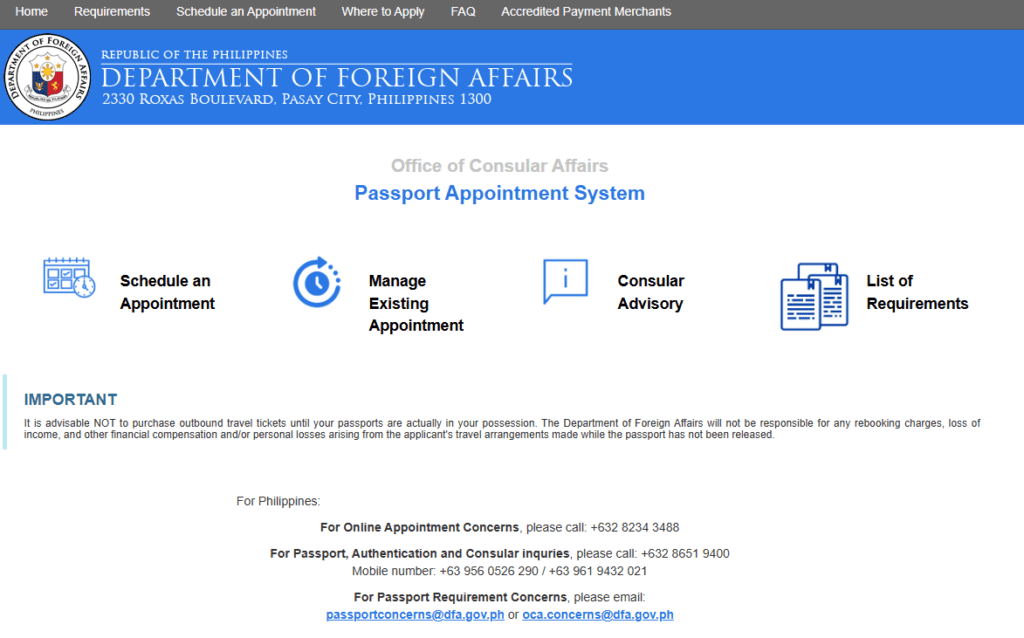
One of the most important steps in passport renewal is securing a DFA online appointment.
Applicants usually need to visit the official DFA appointment website to select:
Preferred DFA branch
Available schedule
Processing type
Applicant information
Available appointment slots may become limited quickly, especially during peak travel seasons, holidays, and summer months.
Applicants should avoid unofficial websites or social media pages claiming to sell appointment slots because many scams target passport applicants online.
Always use official DFA appointment channels when scheduling passport renewal.
Passport Renewal Requirements for Adult Applicants
Most adult passport renewal applicants are required to prepare:
Confirmed DFA appointment
Accomplished application form
Current passport
Valid government-issued ID
Supporting documents if needed
Applicants should double-check if their personal information matches across documents because inconsistencies may cause delays or additional verification requirements.
Photocopies are also commonly required during appointments, so preparing extra copies beforehand can help speed up processing.
If you are also processing other important government documents, guides like “How to Get NBI Clearance Online Philippines” or “How to Get Police Clearance Online Philippines” may also help.
How Much Does Passport Renewal Cost in the Philippines?
Passport renewal fees usually depend on the processing speed selected by the applicant.
As of the latest available DFA passport appointment information, regular processing is around ₱950, while expedited processing is around ₱1,200. A ₱50 convenience fee may also be charged by authorized payment centers on top of the passport processing fee.
Regular processing is generally cheaper but may take longer before release. Expedited processing costs more but may shorten the waiting time in many cases.
Applicants who choose home delivery should also prepare for an additional delivery fee, depending on the courier or delivery option available during the appointment process.
As a safe estimate, applicants may prepare around ₱1,000 to ₱1,500 for the passport renewal fee and payment charges. If transportation, photocopies, valid ID preparation, and other small expenses are included, a more practical budget would be around ₱1,500 to ₱2,500, depending on the applicant’s location.
Applicants should check updated fees through official DFA announcements or the DFA passport appointment website because charges, processing timelines, and delivery fees may change over time.
Common Mistakes That Delay Passport Renewal
Many passport renewal problems happen because applicants overlook simple but important details.
One common mistake is entering incorrect information during online appointment registration. Wrong names, birthdays, or personal details can create processing issues later.
Incomplete requirements are another major reason for delays. Some applicants arrive without photocopies, valid IDs, or complete supporting documents.
Late arrivals also create problems because DFA offices usually follow strict appointment schedules.
Applicants should review all requirements carefully several days before the appointment date.
What Happens During the DFA Appointment
During the passport renewal appointment, applicants usually go through document verification, identity confirmation, biometrics capture, and payment processing.
DFA personnel may also ask clarifying questions if inconsistencies or missing information appear in the documents submitted.
Biometric data collection normally includes:
Fingerprints
Photograph
Digital signature
Applicants should wear proper attire and avoid excessive accessories during photo capture because passport photos follow strict standards.
Following DFA instructions carefully helps make the appointment process smoother and faster.
How Long Does Passport Renewal Processing Take
Processing time depends on several factors including appointment volume, processing type selected, and location.
Regular processing usually takes longer than expedited processing. Delays may also happen during holidays, system maintenance, or periods with unusually high application volume.
Applicants should avoid booking immediate international travel right after renewal appointments because unexpected delays sometimes occur.
Planning ahead reduces stress and gives enough allowance for processing adjustments if needed.
Why Accurate Personal Information Matters
Passport information must match official government records accurately because incorrect details can affect travel, visa applications, and identity verification.
Applicants should carefully review spelling, birthdates, addresses, and personal details before submitting forms.
Incorrect information may require additional corrections later, which can create more expenses and delays.
Attention to detail during application is extremely important for avoiding unnecessary problems.
Important Reminders Before Your Appointment
Applicants should arrive early at DFA offices to avoid long lines and possible appointment complications.
Bringing organized documents inside a folder can also make the process easier during verification.
Applicants should avoid dealing with fixers or unofficial assistance services outside DFA offices because these may involve scams or illegal activities.
Careful preparation before the appointment usually leads to a smoother overall passport renewal experience.
Conclusion
Learning how to renew passport Philippines applicants need becomes much easier with proper preparation and accurate information. Understanding appointment procedures, document requirements, fees, and common mistakes can help applicants avoid delays and complete the process more smoothly.
Renewing your passport early is also important because unexpected travel opportunities, work abroad applications, and visa processing often require valid passports immediately.
By preparing documents carefully, verifying information properly, and following official DFA procedures, applicants can complete passport renewal with less stress and fewer complications.
FAQ’s on How to Renew Passport in the Philippines
Can I renew my passport before it expires?
Yes. Many applicants renew passports several months before expiration to avoid travel and processing problems.
Is DFA appointment required for passport renewal?
Yes. Most passport renewal applicants need confirmed DFA online appointments before visiting offices.
What valid IDs are accepted for passport renewal?
Government-issued IDs such as UMID, Driver’s License, PhilHealth ID, and other valid IDs are commonly accepted.
How long does passport renewal usually take?
Processing time depends on regular or expedited applications, appointment volume, and DFA branch conditions.
Can someone else claim my passport?
In some cases, authorized representatives may claim passports if proper authorization documents are provided.
What happens if my passport is damaged?
Damaged passports may require additional verification and supporting documents during renewal processing.