Home»Home Improvement»
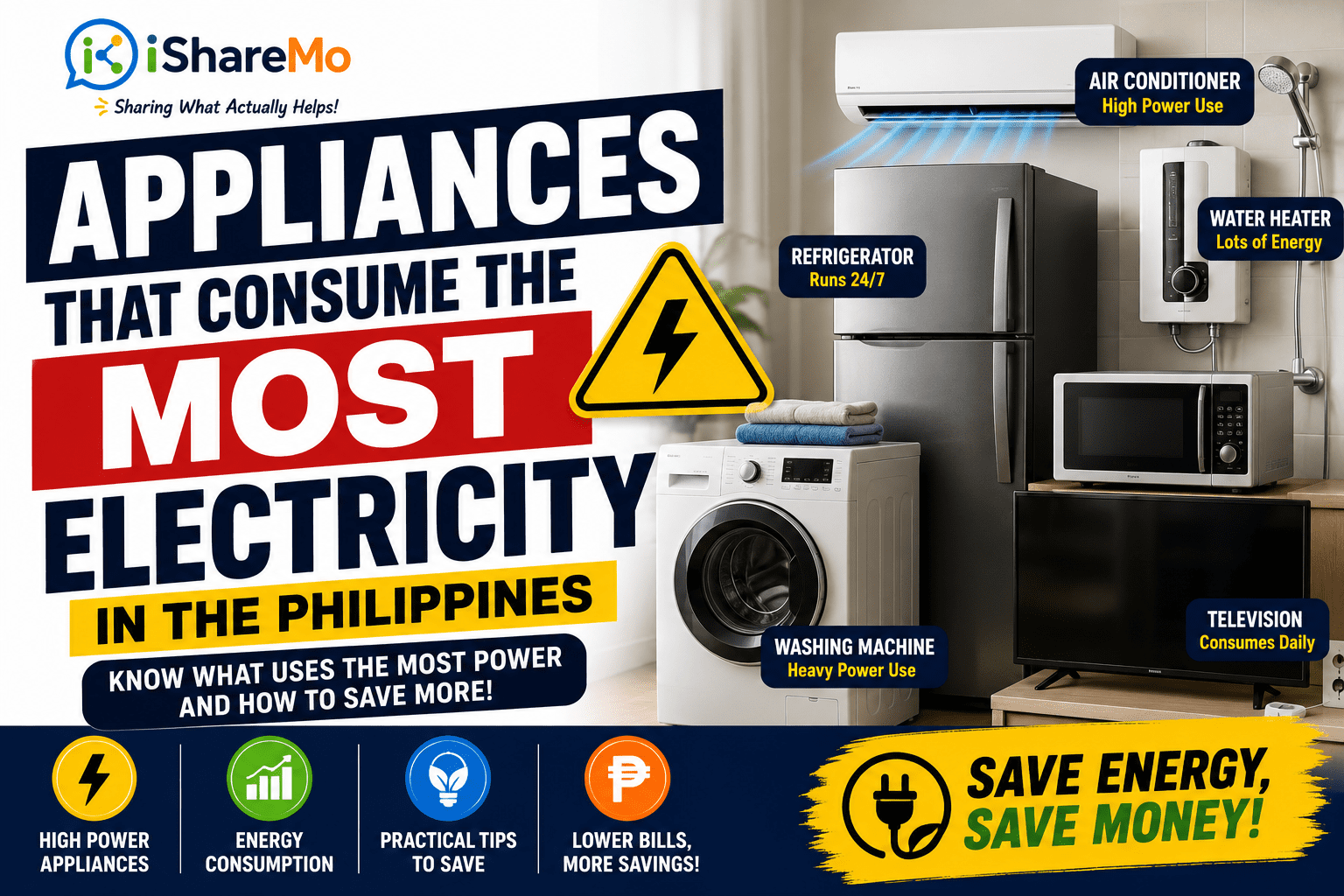
Appliances That Consume the Most Electricity in the Philippines
Many homeowners are surprised when their monthly electric bill suddenly increases even though their daily routine feels the same. In many cases, the real reason is certain appliances quietly consuming more electricity than expected.
Some household appliances use large amounts of power because they run for long hours every day. Others become less energy efficient over time due to poor maintenance, old parts, or incorrect usage habits.
In this guide, you will learn which appliances consume the most electricity in the Philippines, why they increase energy costs, and practical ways to reduce unnecessary power consumption at home.
Quick Summary
Appliances that consume most electricity are usually the biggest reason why many households experience high monthly power bills. This guide explains which home appliances use the most energy, why they consume large amounts of electricity, and how better usage habits can help lower overall power costs. You will also learn how appliance maintenance, daily routines, and energy efficiency affect monthly consumption. Understanding where electricity is being used the most can help homeowners make smarter decisions and reduce unnecessary expenses over time.
Not all appliances use the same amount of electricity. Some devices require more power because they generate heat, cooling, or strong motor activity during operation.
Appliances that run continuously or for many hours every day naturally consume more electricity compared to devices used only occasionally. Refrigerators, air conditioners, and water heaters are common examples because they often operate for extended periods daily.
Another factor is appliance efficiency. Older appliances usually consume more electricity because their components become less efficient over time. Poor maintenance can also force appliances to work harder, increasing power consumption even more.
Understanding these factors helps explain why some appliances affect electric bills much more than others.
Air Conditioners Are One of the Biggest Electricity Consumers
Air conditioners are among the highest electricity-consuming appliances in many Filipino households, especially during hot summer months.
One reason air conditioners use large amounts of power is because cooling systems require strong compressors and fans that operate continuously for several hours. Lower temperature settings also force the unit to work harder, increasing electricity consumption significantly.
Dirty filters, poor ventilation, and lack of maintenance can make air conditioners even less efficient. When airflow becomes restricted, the appliance consumes more power just to maintain the desired temperature.
Using electric fans together with air conditioners can help distribute cool air more effectively, allowing shorter aircon usage while maintaining comfort.
Refrigerators Consume Electricity All Day
Unlike many household appliances, refrigerators operate continuously twenty-four hours a day. Even though modern refrigerators are designed to become more energy efficient, they still contribute heavily to monthly electricity consumption because they never fully stop running.
Several habits can increase refrigerator electricity usage unnecessarily. Frequently opening the refrigerator door allows warm air to enter, forcing the appliance to work harder to maintain cold temperatures.
Poor door seals, overloaded storage, and dirty condenser coils can also reduce cooling efficiency. When refrigerators struggle to maintain proper cooling, energy consumption increases gradually over time.
Regular maintenance and proper temperature settings can help reduce unnecessary refrigerator power usage.
Electric Water Heaters Can Increase Power Bills Quickly
Water heaters consume large amounts of electricity because heating systems require high energy output. Households using electric showers daily often experience noticeable increases in monthly electricity bills.
Long hot showers naturally consume more electricity because the heating system stays active throughout usage. Some water heaters also remain plugged in continuously even when not actively used.
Reducing shower duration and turning off water heaters when unnecessary can help minimize electricity consumption.
Choosing energy-efficient water heaters may also provide long-term savings for households that use hot water frequently.
Washing Machines and Dryers Also Affect Consumption
Washing machines may not run continuously every day, but frequent washing cycles still contribute significantly to electricity costs.
Using washing machines for very small loads wastes both water and electricity. Running multiple small cycles usually consumes more energy compared to washing larger full loads.
Electric dryers consume even more power because generating heat requires higher electricity usage. Air-drying clothes whenever possible can help reduce household energy costs substantially.
Proper appliance usage habits often make a bigger difference than many homeowners realize.
Rice Cookers and Kitchen Appliances Add Up Over Time
Rice cookers are essential appliances in many Filipino homes, but frequent use throughout the day still contributes to electricity consumption.
The “keep warm” function can consume electricity continuously for long hours if left running unnecessarily. While individual usage may seem small, daily long-term usage adds up over time.
Microwaves, electric kettles, ovens, and induction cookers also consume significant electricity because heating appliances generally require high power output.
Being more mindful about appliance usage duration can help reduce unnecessary kitchen-related electricity costs.
Televisions, Computers, and Gadgets Still Matter
Entertainment devices and gadgets may not consume as much electricity individually compared to air conditioners or refrigerators, but combined usage can still impact monthly bills.
Large televisions, gaming consoles, desktop computers, and multiple charging devices often remain plugged in for long periods every day.
Many appliances also continue consuming standby power even when turned off. This is commonly called phantom load or standby electricity consumption.
Unplugging devices when not in use or using power strips with switches can help reduce unnecessary electricity waste.
Old Appliances Usually Consume More Electricity
Older appliances often become less energy efficient because of aging components, outdated technology, and accumulated wear.
Air conditioners, refrigerators, and washing machines that have been heavily used for several years may consume more electricity compared to newer energy-efficient models.
Some homeowners continue using malfunctioning appliances because they still technically work, but inefficient performance often increases electricity consumption quietly over time.
Regular maintenance helps improve appliance efficiency and may reduce the need for premature replacement.
Why Monitoring Appliance Consumption Matters
Many homeowners struggle to reduce electricity costs because they do not know which appliances consume the most power inside their homes.
Understanding appliance consumption allows households to identify where electricity usage can realistically be reduced without sacrificing comfort completely.
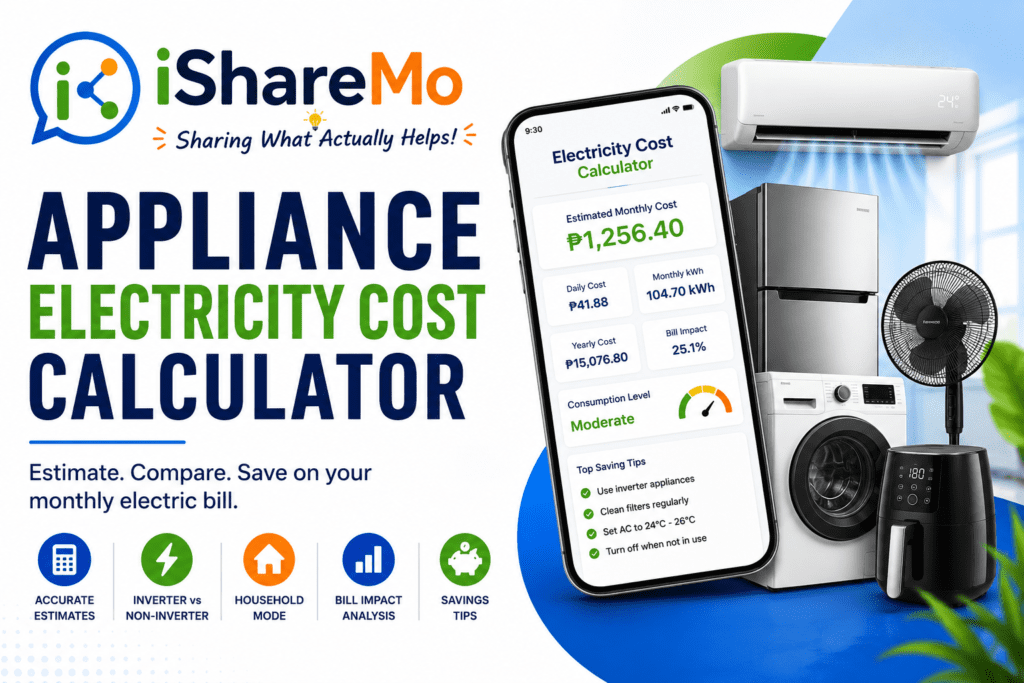
If you want a simple way to estimate appliance energy costs, you can also try the iShareMo Appliance Electricity Cost Calculator to better understand how much specific appliances may add to your monthly electric bill.
Simple Habits That Can Lower Electricity Consumption
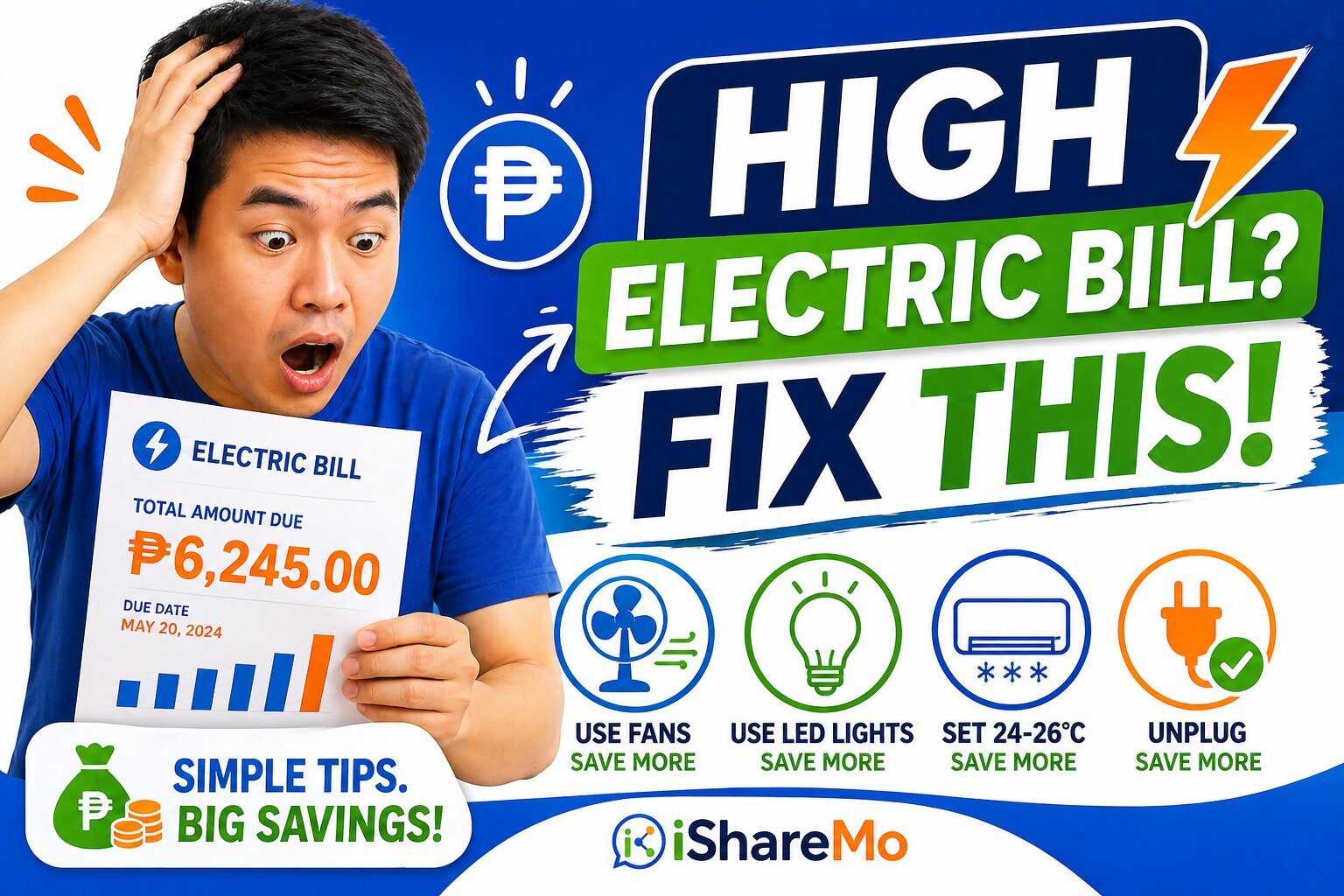
Reducing electricity costs does not always require major lifestyle changes. In many cases, small consistent habits already create noticeable savings over time.
Turning off unused appliances, improving appliance maintenance, using energy-efficient settings, and avoiding unnecessary long operating hours can help reduce total electricity usage gradually.
Households that become more aware of daily energy habits often notice improvements in monthly electric bills without sacrificing comfort at home.
Consistency is usually more effective than relying on short-term energy-saving tricks.
Conclusion
Appliances that consume most electricity are often responsible for the biggest portion of household power bills in the Philippines. Air conditioners, refrigerators, water heaters, washing machines, and heating appliances typically use the highest amounts of electricity because of their daily usage and energy demands.
Understanding how these appliances affect electricity consumption allows homeowners to make smarter decisions about usage habits, maintenance, and energy efficiency. Small improvements in daily routines can gradually lead to noticeable long-term savings.
Lowering electricity costs does not mean removing comfort completely. Better awareness and smarter appliance management are often enough to reduce unnecessary expenses while maintaining a comfortable home environment.
FAQ’s on Appliances That Consume the Most Electricity
Which appliance consumes the most electricity at home?
Air conditioners are usually among the highest electricity-consuming appliances in many households
Do refrigerators use electricity all day?
Yes. Refrigerators operate continuously to maintain cooling temperatures, making them one of the biggest contributors to electricity consumption.
Why do old appliances consume more electricity?
Older appliances often become less energy efficient because of worn-out parts and outdated technology.
Does unplugging appliances help save electricity?
Yes. Some appliances continue consuming standby power even when turned off but still plugged in.
Are electric water heaters expensive to use?
Yes. Water heaters require large amounts of energy because heating systems consume high power.
How can homeowners reduce appliance electricity usage?
Better maintenance, shorter usage time, energy-efficient settings, and consistent habits can help reduce electricity consumption.