Home»Home & Practical Living»
How to Reduce Your Electric Bill in the Philippines Without Sacrificing Comfort
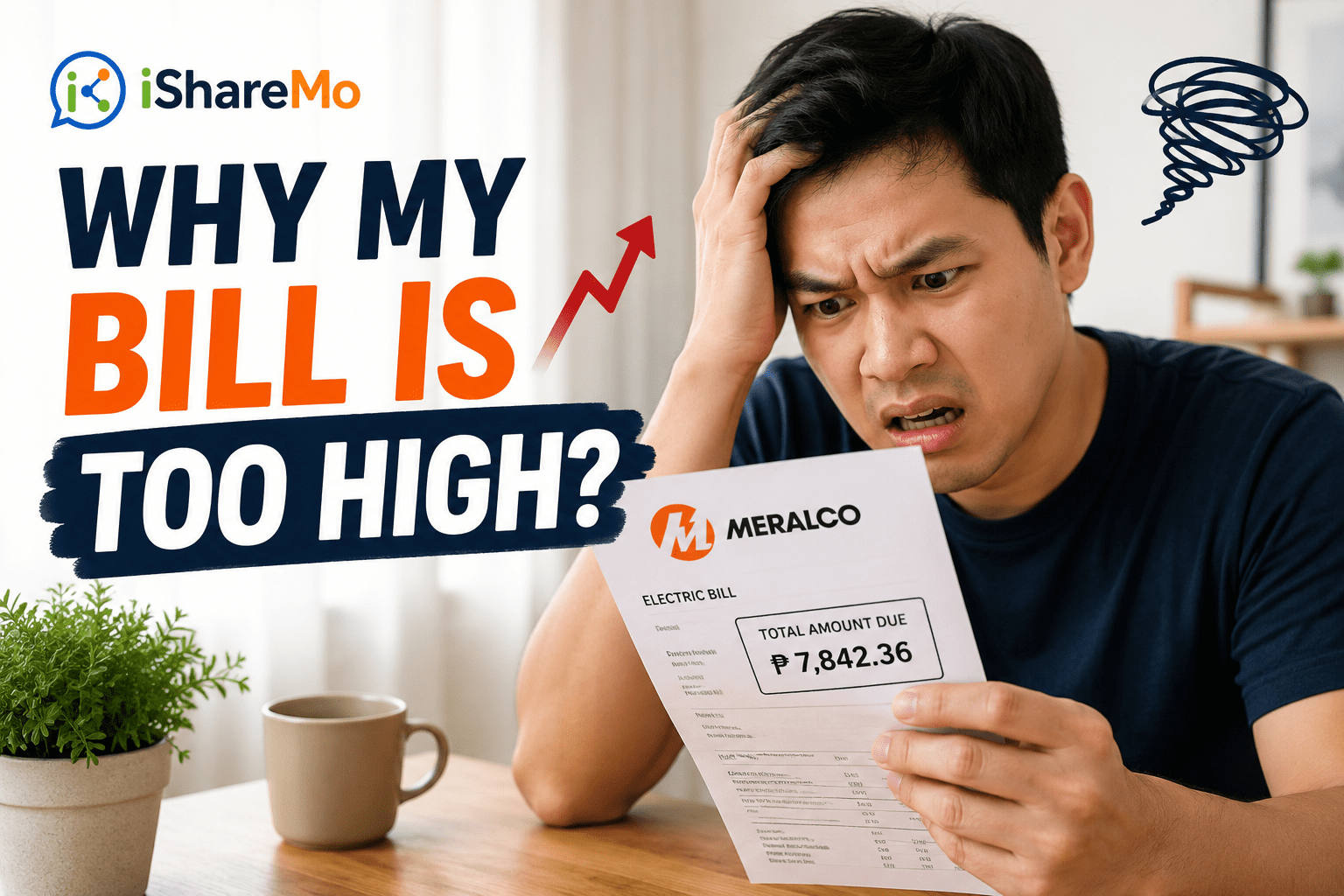
Electricity costs in the Philippines continue to increase, making monthly bills more expensive for many households. Even small daily habits can slowly increase your electricity consumption without you realizing it.
Many people assume they need to stop using appliances completely just to save money, but that is not always true. The real goal is learning how to use electricity more efficiently while still staying comfortable at home.
In this guide, you will learn practical and realistic ways to reduce your electric bill Philippines homeowners can apply immediately. These tips focus on smarter appliance usage, energy-saving habits, and simple adjustments that can help lower your monthly expenses over time.
Quick Summary
Learning how to reduce electric bill in the Philippine households every month starts with understanding where electricity is being consumed the most. This guide explains practical ways to lower energy usage through smarter appliance habits, better cooling practices, proper lighting choices, and improved daily routines. It also covers common mistakes that silently increase electricity costs and simple adjustments that can make a noticeable difference over time. With consistent energy-saving habits, reducing your monthly electric bill becomes more realistic without sacrificing comfort at home.
Many households notice higher electricity bills even when their appliance usage feels the same. This usually happens because some appliances consume more power than people expect, especially when used for long hours every day.
Air conditioners, refrigerators, electric showers, washing machines, and old appliances are often among the biggest contributors to high electricity costs. Even devices left plugged in while not in use can still consume electricity through standby power.
Another common issue is inefficient appliance usage. Many people use appliances longer than necessary or ignore maintenance problems that force devices to work harder and consume more energy.
Understanding where your electricity consumption comes from is the first step toward lowering your monthly bill effectively.
Air Conditioners Usually Consume the Most Electricity
In many Filipino households, air conditioners are one of the largest sources of electricity consumption. This becomes more noticeable during hot summer months when units run for several hours daily.
One common mistake is setting the temperature too low. Lower temperatures force the air conditioner to work harder and consume more electricity. In most cases, setting the temperature between 24°C to 26°C already provides enough comfort while using less energy.
Dirty filters also affect efficiency. When air filters are clogged with dust, the unit struggles to circulate air properly, increasing power consumption. Cleaning filters regularly helps improve cooling performance and reduce electricity usage.
Using electric fans together with air conditioners can also help distribute cool air more efficiently, allowing shorter aircon usage time.
Lighting may seem like a small part of your electric bill, but inefficient bulbs used daily can still increase total electricity consumption over time.
LED bulbs are one of the best long-term investments for reducing electricity costs. They consume significantly less power compared to traditional incandescent or fluorescent bulbs while lasting much longer.
Natural lighting can also reduce daytime electricity usage. Opening curtains and allowing sunlight into rooms helps minimize the need for artificial lighting during the day.
Simple habits like turning off unused lights immediately may sound basic, but consistent energy-saving habits create noticeable long-term savings.
Appliances Left Plugged In Still Consume Power
Many people are unaware that plugged-in appliances continue consuming electricity even when turned off. This is called standby power or phantom load.
Televisions, microwaves, chargers, computers, and gaming consoles are common examples of appliances that still draw electricity while idle.
While individual standby consumption may seem small, multiple plugged-in devices running every day can slowly increase your monthly electricity bill.
Unplugging unused devices or using power strips with switches can help reduce unnecessary electricity consumption at home.
Old Appliances Can Increase Your Electric Bill
Older appliances are usually less energy efficient compared to newer models. Refrigerators, air conditioners, and washing machines that have been heavily used for many years often consume more electricity because of worn-out components or outdated technology.
Poor maintenance also affects efficiency. Refrigerators with damaged door seals, dirty condenser coils, or poor ventilation work harder to maintain cooling temperatures, increasing energy consumption.
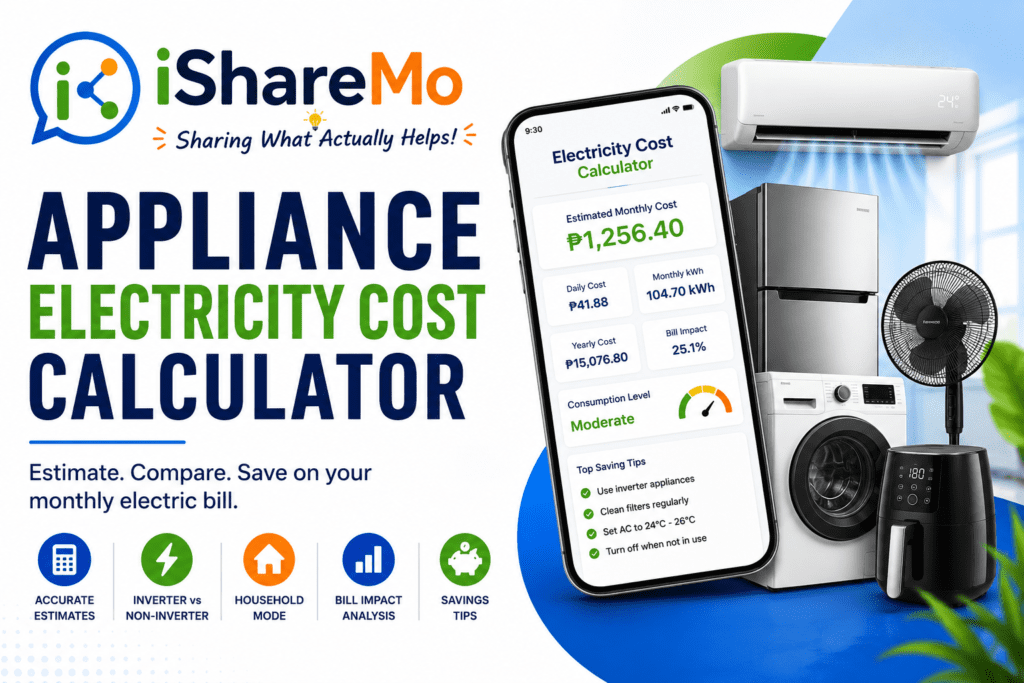
Before replacing appliances, it helps to monitor which devices consume the most electricity. If you want a quick estimate of appliance energy costs, you can try the iShareMo Appliance Electricity Cost Calculator to better understand how much certain appliances may add to your monthly bill.
Understanding appliance consumption makes it easier to identify which devices may be increasing your electricity expenses the most.
Washing and Cooking Habits Also Matter
Household routines can also affect electricity costs more than many people realize. Using washing machines for very small loads repeatedly consumes unnecessary electricity and water.
It is usually more efficient to wash full loads whenever possible. Air-drying clothes instead of constantly using electric dryers can also reduce energy consumption significantly.
In the kitchen, frequent refrigerator door opening forces the appliance to work harder to maintain cold temperatures. Cooking multiple meals at once may also reduce repeated appliance usage throughout the day.
These small adjustments may seem simple individually, but together they contribute to lower monthly electricity expenses.
Why Energy-Saving Habits Matter More Than Short-Term Tricks
Many people look for instant solutions to reduce electricity bills, but long-term savings usually come from consistent habits rather than temporary tricks.
Energy-efficient behavior becomes more effective when practiced daily by everyone in the household. Turning off appliances properly, limiting unnecessary usage, and maintaining appliances regularly all contribute to gradual but meaningful savings.
Reducing electricity costs does not require extreme lifestyle changes. Most of the time, smarter usage and better awareness already make a noticeable difference over several months.
Consistency matters more than trying unrealistic methods that are difficult to maintain long term.
Conclusion
Learning how to reduce electric bill Philippines households pay every month starts with understanding how electricity is used inside the home. Small daily habits, appliance maintenance, and smarter energy usage all play an important role in lowering monthly expenses.
Instead of removing comfort completely, the goal should be using electricity more efficiently and avoiding unnecessary consumption. Over time, even simple adjustments can lead to noticeable savings.
With better awareness and consistent energy-saving habits, managing your electric bill becomes much more realistic and sustainable for the long term.
FAQs
What appliance consumes the most electricity at home?
Air conditioners are usually among the biggest electricity consumers in most Filipino households.
Does unplugging appliances really save electricity?
Yes. Some appliances still consume standby power even when turned off but left plugged in.
Are LED bulbs better for saving electricity?
Yes. LED bulbs use less electricity and last longer compared to traditional bulbs.
Why is my electric bill suddenly higher?
Higher bills can happen because of increased appliance usage, old appliances, poor maintenance, or higher electricity rates.
Is it expensive to use air conditioners daily?
It depends on usage hours, temperature settings, room size, and appliance efficiency.
Can old appliances increase electricity consumption?
Yes. Older appliances are often less energy efficient and may consume more power over time.











Comments
Comments are closed.