Home»Travel Guides»
Budget Travel Tips for First-Time Travelers in the Philippines
Traveling for the first time is exciting, but it can also become expensive faster than many people expect. A lot of first-time travelers spend too much money simply because they book without planning properly or underestimate how much a trip actually costs.
The good news is you do not need a huge budget to enjoy traveling in the Philippines. With the right planning and smart decisions, even budget travelers can enjoy meaningful experiences without feeling financially stressed after the trip.
This guide covers practical and realistic budget travel tips Philippines travelers can use to save money before and during their trip. You will also learn common mistakes to avoid, smarter booking habits, and how to manage your travel expenses more effectively.
Quick Summary
These budget travel tips can help first-time travelers avoid unnecessary expenses and enjoy trips with less financial stress. This guide explains practical ways to save money on flights, accommodations, transportation, food, and other travel expenses through smarter planning and better spending habits. It also covers common travel mistakes that often lead to overspending and how to avoid them before your trip starts. With proper budgeting and preparation, you can travel more confidently while still enjoying the overall experience.
One of the biggest mistakes first-time travelers make is focusing only on major expenses like flights and hotels while ignoring smaller daily costs. Transportation, food, entrance fees, mobile data, snacks, and unexpected expenses can quickly increase your total spending without you realizing it.
Another common issue is emotional spending. Many travelers become too excited during vacations and stop tracking their expenses. Because the trip feels temporary, people tend to justify unnecessary purchases, expensive food, or impulsive activities that were never part of the original budget.
Poor scheduling also affects travel expenses. Last-minute bookings are usually more expensive, especially during holidays and peak seasons. Travelers who do not research destinations early often end up paying higher prices simply because they had fewer affordable options available.
Understanding these common problems is important because saving money during travel starts with awareness and preparation rather than extreme budgeting.
The Importance of Creating a Realistic Travel Budget
A realistic travel budget helps you understand how much you can comfortably spend without damaging your finances after the trip. Many people create unrealistic budgets that only cover the “ideal” costs instead of the actual expenses they will likely encounter.
A proper travel budget should include transportation, accommodation, food, activities, emergency funds, and miscellaneous expenses. Even small costs like bottled water, convenience store purchases, or transportation transfers can become significant when added together throughout the trip.
Emergency funds are also extremely important for first-time travelers. Delayed transportation, sudden weather changes, medical needs, or booking issues can happen unexpectedly. Having extra money prepared helps reduce stress and prevents financial problems during emergencies.
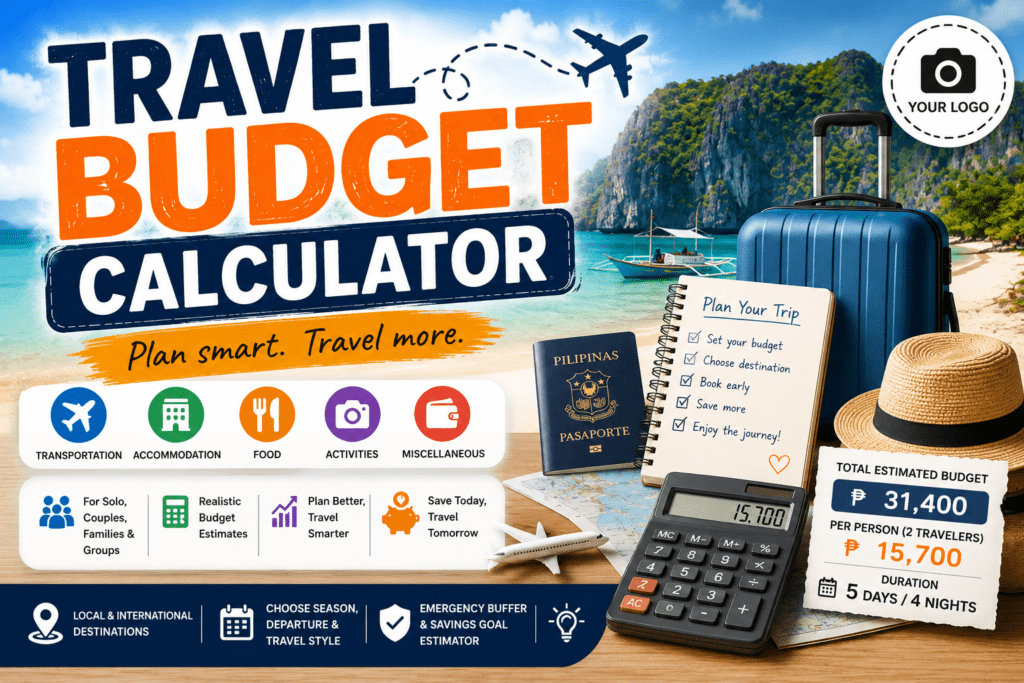
If you want a faster way to estimate your possible expenses, you can also try the iShareMo Travel Budget Calculator to organize your expected travel costs before finalizing your plans.
Why Booking Early Can Save You More Money
Booking early is one of the easiest ways to reduce travel expenses, especially for flights and accommodations. Airlines and hotels usually offer lower prices months before peak travel dates because they want to secure early bookings.
As travel dates become closer, prices often increase because demand becomes higher and cheaper slots disappear quickly. This is especially common during long weekends, holidays, and summer vacation months in the Philippines.
Early booking also gives travelers more flexibility. Instead of choosing from limited expensive options, you have more opportunities to compare prices, read reviews, and select accommodations or flights that fit your budget better.
However, cheaper prices should not be the only factor you consider. Some promo fares have strict cancellation policies, limited baggage allowance, or hidden fees that can increase your total expenses later. Reading booking details carefully is still very important.
Choosing the Right Accommodation for Your Budget
Many first-time travelers assume that cheaper accommodations automatically save more money, but this is not always true. Sometimes very cheap hotels or rentals are located far from tourist areas, transportation hubs, or restaurants. This can lead to higher transportation costs and wasted travel time.
A better strategy is finding accommodations that balance affordability, convenience, and safety. Staying near transportation routes or tourist spots may slightly increase accommodation costs, but it can reduce overall daily expenses significantly.
Reviews also play an important role when selecting accommodations. Photos alone are not enough because some listings may look better online than in reality. Reading recent reviews from actual guests helps travelers avoid problems related to cleanliness, safety, noise, or poor customer service.
For budget travelers, hostels, guesthouses, and small inns often provide better value compared to expensive hotels, especially for short trips.
Food Expenses Can Quietly Destroy Your Budget
Food is one of the easiest areas where travelers overspend without noticing. Tourist spots usually have higher prices because businesses know visitors are willing to pay more for convenience.
Eating in local restaurants or small eateries can significantly reduce your daily expenses while also giving you a more authentic experience of the destination. In many cases, local food places offer larger servings and better prices than restaurants designed mainly for tourists.
Another practical tip is avoiding constant snack purchases and overpriced drinks during trips. Small convenience store expenses may seem harmless individually, but they add up quickly over several days.
Bringing your own water bottle, snacks, or simple breakfast items can help reduce unnecessary spending while traveling.
Transportation Choices Affect Your Entire Budget
Transportation expenses can consume a large part of your budget if not planned properly. Many first-time travelers rely too heavily on taxis or ride-hailing apps because they are convenient, but frequent private transportation can become expensive very quickly.
Learning basic public transportation routes before your trip can save a lot of money. Jeepneys, buses, vans, and train systems are often much cheaper alternatives for moving around cities and tourist destinations.
Research is important because unfamiliar transportation systems can feel confusing at first. Knowing estimated fares, terminal locations, and travel schedules ahead of time reduces stress and prevents unnecessary spending caused by mistakes or poor planning.
Using navigation apps also helps travelers avoid getting lost, which can lead to additional transportation expenses.
Why Smart Packing Matters for Budget Travelers
Overpacking creates more problems than many travelers expect. Aside from additional baggage fees, carrying too many unnecessary items makes traveling more stressful and inconvenient.
First-time travelers often bring too many clothes, gadgets, or “just in case” items they never actually use. Packing smarter allows you to travel lighter, move more comfortably, and avoid extra airline charges.
Planning outfits ahead of time helps reduce unnecessary luggage. Choosing versatile clothing and bringing only essential items can make your trip easier while keeping expenses lower.
Smart packing also reduces the chances of forgetting important items because your luggage stays more organized and manageable.
Conclusion
Budget travel is not about removing all comfort or avoiding fun experiences. The goal is to spend wisely so you can enjoy traveling without financial stress before, during, or after your trip.
For first-time travelers, proper planning makes a huge difference. Understanding your expenses, booking strategically, managing transportation costs, and avoiding unnecessary spending can help you enjoy more meaningful trips even with a limited budget.
Traveling becomes more enjoyable when you know your finances are under control. With better planning and smarter habits, budget travel can still create memorable and rewarding experiences.
FAQs
How much money should first-time travelers prepare?
The ideal budget depends on the destination, travel style, and trip duration. It is always recommended to prepare extra funds for emergencies and unexpected expenses.
Is traveling during off-season cheaper?
Yes. Flights, hotels, and tourist activities are usually cheaper during off-season periods because there are fewer travelers.
Are budget accommodations safe?
Many budget accommodations are safe, but travelers should always read reviews and research the location before booking.
Why do travelers overspend during trips?
Overspending usually happens because of poor planning, emotional spending, expensive tourist areas, and lack of expense tracking.
Is DIY travel cheaper than tour packages?
In many cases, DIY travel offers more flexibility and can be cheaper, especially for local destinations.
Should travelers track expenses daily?
Yes. Tracking daily expenses helps travelers stay within budget and avoid financial surprises after the trip.












Comments
Comments are closed.